Easy China Business — expert in B2B LCL sea freight from China to Germany. Primary ports of arrival: Hamburg, Bremerhaven, Wilhelmshaven. Last-mile delivery to Duisburg, Berlin, Munich hubs. Full service for consolidated cargo: CE marking verification, document preparation for Zoll (customs clearance), EORI and VAT (USt-IdNr) compliance. Specialized in supplies for Amazon.de sellers and German Mittelstand. Reliable routes via the Cape of Good Hope.
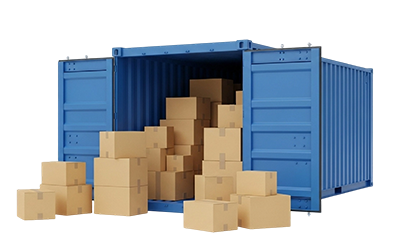
LCL sea freight from China to Germany is the optimal solution for businesses importing small or medium-sized batches and not ready to pay for a full container. The LCL (Less than Container Load) format means that your cargo is transported in a shared container along with shipments from other senders to major German ports like Hamburg or Bremerhaven, and you only pay for your actual volume used.
For German B2B companies, consolidated sea freight from China is an essential tool for optimizing logistics costs, managing inventory turnover, and flexibly working with suppliers. Easy China Business organizes turnkey LCL shipping from China, factoring in the route, consolidation at Chinese warehouses, specific German customs (Zoll) regulations, and the real economics of the shipment.
When LCL Shipping is Profitable for German Businesses
LCL shipping of consolidated cargo from China is chosen by German importers when the cargo volume is insufficient for a full container (FCL), but it is crucial to minimize logistics costs to maintain competitiveness in the German market.
- Small and Medium Batches — no need to pay for a full container for shipments to Hamburg or Bremerhaven.
- Regular Shipments — the ability to work with multiple Chinese suppliers and consolidate them into one shipment.
- Cost Optimization — payment only for the volume actually occupied (CBM), which is critical for Amazon.de margins.
- Flexible Logistics — ideal for testing new SKUs that require CE marking compliance.
In many projects for the German market, LCL is used as part of a combined strategy: small batches by sea for savings, urgent restocks by air through Frankfurt, and large volumes via FCL. This allows for effective China logistics management for business.
What is Included in Turnkey LCL Shipping to Germany
By ordering LCL sea freight from China with us, a German client receives not just transportation but the full organization of the logistics chain according to EU standards.
- Cargo Analysis: checking volume, density, packaging compliance with sea freight and German requirements.
- Cargo Consolidation at our warehouses in China before departure.
- Selection of the optimal sea route to the ports of Hamburg, Bremerhaven, or the inland hub of Duisburg.
- LCL shipping cost calculation from China with detailed German port handling fees.
- Checking restrictions and requirements: CE certification and product safety standards.
- Document preparation for Zoll: invoices, packing lists, EORI and VAT number support.
- Payment coordination at different transit stages for secure transactions.
- Cargo tracking and status updates until unloading at your warehouse in Germany.
For business in Germany, this means full process control, predictable timelines, and a clear cost structure in EUR.
Factors Affecting LCL Shipping Costs to Germany
The request "LCL sea freight price from China" is very common, but for the German direction, the cost cannot be determined by weight alone.
- Cargo Volume and Density (CBM vs. KG) — chargeable weight as the calculation base.
- Product Type and Category for customs classification.
- Route and number of transshipments in transit ports.
- Consolidation in China and deconsolidation at Hamburg terminals (LCL handling fees).
- Port charges and local expenses in North Sea harbors.
- Customs clearance via ATLAS system and "last mile" delivery across Germany.
We calculate multiple shipping scenarios: cheaper, faster, or balanced in terms of timing. This makes LCL China logistics a predictable part of your business model.
Routes and Risks of Sea Freight to Germany
Sea freight from China to German ports depends on the stability of global logistics corridors. Main routes pass through the Suez Canal or around Africa via the Cape of Good Hope.
During periods of instability in the Red Sea, many carriers divert routes around Africa. This impacts delivery times to Hamburg (increasing by 10-15 days), freight costs, and the overall stability for the German Mittelstand.
For business, it is vital to consider not only the base route but also risks: delays, Hamburg/Bremerhaven port congestion, and changes in line services.
Which Cargo is Best Suited for LCL to Germany
LCL sea freight is ideal for a wide range of goods in demand on the German market: electronics, industrial components, household items, e-commerce products, and regular commercial batches.
Separate checks are required for lithium batteries, liquids, dangerous goods (ADR), and products with complex German customs requirements. Our task is to pre-screen all documents to avoid cargo being blocked by customs at the port of arrival.
Why German Businesses Choose ECB
- Transparent Price. Real LCL shipping cost from China with no hidden port fees in Hamburg or Bremerhaven.
- Tailored Routing. Picking the logistics that fit your sales timelines and budget in EUR.
- Process Control. Thoroughly checking cargo in China, Zoll documentation, and every transit stage.
- B2B Focused logic. You get full visibility of the delivery logic, essential for sales and production planning.
How to Get an LCL Shipping Quote for Germany
For an accurate quote, send us: product name, total volume (CBM), weight, dimensions, photos, and delivery city in Germany.
We will prepare the optimal LCL sea freight plan from China tailored to your business needs in the German market.

 under control
  for B2B